Tiny Shrines to Weird Fandom: A 2026 Micro-Museum Crawl Through Japan
Photo: Savannah Rivka, CC BY-SA 4.0, via Wikimedia Commons
Japan has no shortage of grand museums, but the ones that stick with you are often the size of a generous apartment. A micro-museum can be four rooms, one obsessed curator, and a gift shop that sells exactly the thing you did not know you needed. For US fans planning a 2026 trip, these tiny shrines to hyper-specific fandom are a better use of an afternoon than another queue for a famous photo spot. They are also easier on the budget, easier to love, and much easier to explain to your friends: I went to a museum about instant ramen. Yes, there was a tasting room.
Why Small Collections Hit Hard
Big museums tell national stories. Micro-museums tell one person's story, or one product's story, or one very specific hobby's story. That focus creates intimacy. You can read every label. You can hear the curator sigh. You can leave knowing more about vending machines than anyone at your hotel. The pleasure is not scale. It is specificity. A room full of retro toys is fun. A room full of retro toys with handwritten notes about the company that made them is a personality.
The Shortlist: Six Gloriously Specific Stops
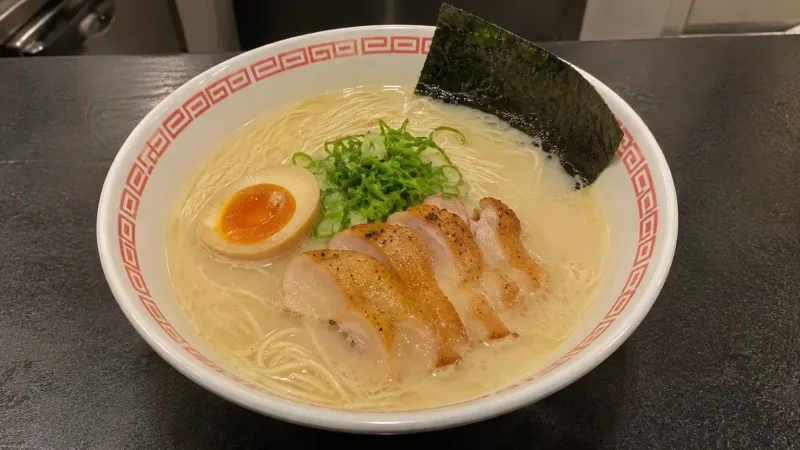
Cup Noodles Museum, Yokohama and Ikeda. The Yokohama location is the showier one, with a factory-style attraction and a make-your-own-cup station. The Ikeda location in Osaka is tied to the instant-ramen origin story and feels more like a pilgrimage. Both are focused, affordable, and deeply on-brand for anyone who has ever eaten ramen at midnight. Check current admission and reservation rules before you go; timed entry is common.
Fujiko F. Fujio Museum, Kawasaki. A shrine to the creator of Doraemon, with original art, recreations, and a café that leans into the character universe. This one rewards advance planning. Tickets are often sold by timed slot, and weekend slots disappear. Book early, arrive on time, and do not expect to sprint through.
Suginami Animation Museum, Tokyo. A small, focused animation stop that is friendly to casual fans and satisfying for process nerds. It is the kind of place where you learn how a single frame becomes a mood. Check opening days; small museums often close midweek.
Kyoto International Manga Museum. Not micro, but manga-specific and essential. The collection is vast, the building is charming, and the vibe is library-meets-fandom. Budget at least two hours, more if you actually sit and read.
Tokyo Toy Museum. A playful, compact stop for retro toys and design nostalgia. Good for a rainy afternoon or a day when you need a break from temples and train maps.
Meguro Parasitological Museum, Tokyo. Not pop culture, but gloriously specific and free or nearly free. Think of it as the weird palate cleanser between ramen and manga. It is small, strange, and unforgettable in the way a good micro-museum should be.
The Vending-Machine Situation
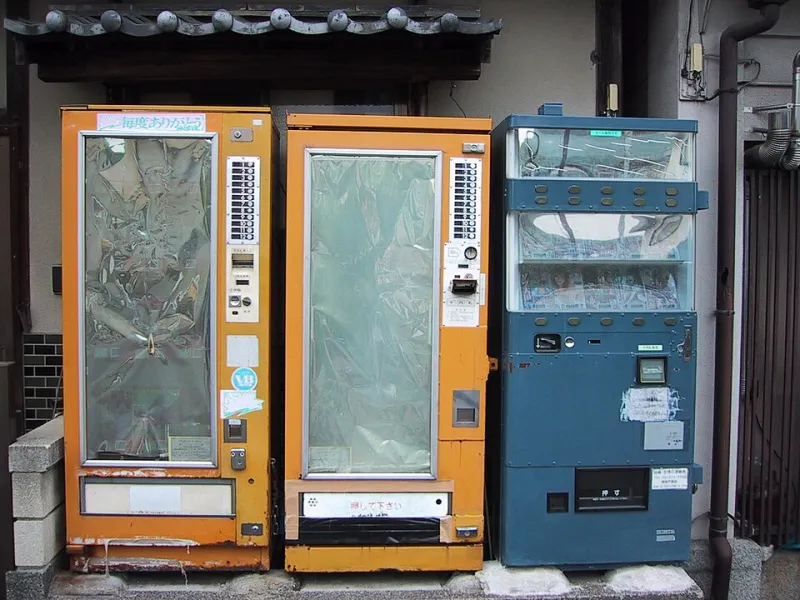
Japan does not have one giant vending-machine palace that solves all your needs. The culture is the museum. Treat it as a scavenger hunt: photograph the strange cans, visit the vending-machine wall at the Cup Noodles Museum, and keep an eye out for small company showrooms and local history displays. The joy is in noticing how many tiny transactions shape the street. If you find a dedicated vending-machine exhibit during your 2026 trip, congratulations. You have won the nerd lottery.
Reservations, Tickets, and the Art of Not Showing Up Empty
Book timed-entry museums before you leave the US, especially the Fujiko F. Fujio Museum and anything Doraemon-adjacent. Use the museum's official site or a reputable ticket service. Check closure days twice; small museums are not always open when your itinerary says they should be. Bring cash for small gift shops. Do not assume English signage everywhere. Download a translation app, but also enjoy the guesswork. And leave buffer time between stops. A micro-museum is short, but the neighborhood around it is often the real reward.
Budget Expectations
Admission for small museums often runs from free to about 1,500 yen, with special exhibits costing more. The Cup Noodles Museum and character museums sit at the higher end; municipal animation and local history spots are often cheaper or free. Add train fare, a coffee, and one impulsive gift-shop purchase. A micro-museum day can be done for under 4,000 yen if you are disciplined, and under 8,000 yen if you are not. Assume you are not.
A Sample Three-Day Micro-Museum Itinerary
Day one in Tokyo: Suginami Animation Museum in the morning, Tokyo Toy Museum in the afternoon, and a quiet dinner near your hotel. Day two: Fujiko F. Fujio Museum in Kawasaki with a timed ticket, then back to Tokyo for a bookstore crawl. Day three: Cup Noodles Museum in Yokohama, followed by a waterfront walk and a ramen dinner that feels suspiciously on theme. If you are Kansai-based, swap in the Ikeda instant-ramen stop and the Kyoto manga museum. Do not try to do all six in two days. The point is to linger, not to collect buildings.
The Micro-Museum Mindset
Go slow. Read the handwritten labels. Talk to the person at the desk if they seem open to it. Buy the weird postcard. A tiny museum is not a checklist item; it is a conversation with someone who cares too much about one thing. That is the energy US fans travel for. In 2026, skip the obvious queue and follow the small sign down a side street. The weird little collection is waiting, and it probably has a gift shop.