City Pop Beyond the Algorithm: A 2026 Starter Route for Fizzy Ears
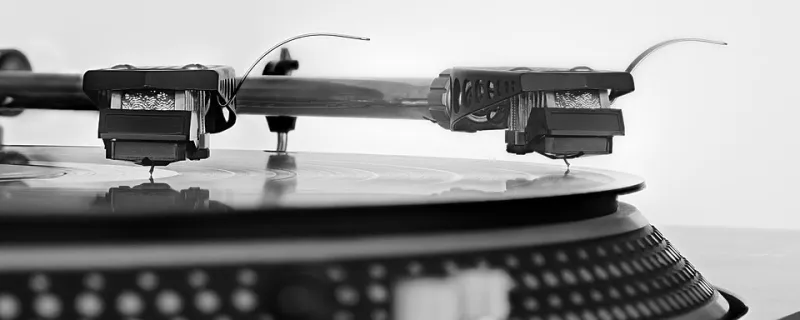
Photo: Franz van Duns, CC BY-SA 4.0, via Wikimedia Commons
If your music app has decided that city pop begins and ends with the same five songs, you are not alone. The algorithm finds a groove, builds a playlist, and then keeps serving you the same glass of iced tea. In 2026, city pop is still fizzing, but the good stuff is often one click past the obvious hits.
This is not a history lecture. It is a listening route. Think of it as a road trip with a cooler in the back seat and a bassline in the front. We will start with the gateway tracks, then move into albums, moods, and a few weird corners. Bring a fizzy drink. Bring headphones. Do not bring a thesis.
Why City Pop Still Fizzes in 2026
City pop is a loose term for Japanese pop from the late 1970s and 1980s, with funk, disco, boogie, AOR, and yacht-rock influences. It sounds like a convertible, a neon sign, and a drink with too much ice. The revival has been rolling for years, powered by YouTube algorithms, TikTok edits, vinyl reissues, and the simple fact that the basslines are excellent. In 2026, it is less a trend than a permanent shelf in the record store.
But the algorithm is lazy. It finds a mood and stays there. So here is a route for when the same playlist starts to feel like a hotel lobby.
The Gateway Tracks Are Fine. Use Them.
Mariya Takeuchi’s “Plastic Love” is the front door. Tatsuro Yamashita’s “Sparkle” is the hallway. Anri’s “Remember Summer Days” is the coat check. Miki Matsubara’s “Stay With Me” is the mirror where you check your hair. These songs are popular for a reason. They are great. But a starter pack should not be a holding pen.
Stop 1: Anri’s Timely!! (1983)
Start with the album, not the single. Timely!! is bright, clean, and endlessly playable. “Cat’s Eye” is the hit, but “Windy Summer” and “Remember Summer Days” are the ones that make you roll the windows down in a parking lot. This is city pop as a sunscreen commercial in the best way. US listeners: play it while grilling. Play it while folding laundry. Play it while pretending you have a balcony.
Stop 2: Toshiki Kadomatsu’s After 5 Clash (1984)
If you like the bass more than the vocals, go here. Kadomatsu is a producer, songwriter, and singer with a deep catalog. After 5 Clash is smooth, funky, and a little sweaty. The basslines are the point. This is music for a drive that takes the long way home. It is also music for a kitchen dance while the pasta water boils.
Stop 3: Taeko Onuki’s Sunshower (1977)
Sunshower is earlier and softer. It is not city pop in the neon sense. It is city pop in the sitting-by-a-window-with-a-cup-of-tea sense. Onuki’s voice is warm. The arrangements are airy. “4:00 A.M.” is a gentle classic. This is the album you put on when the algorithm has made you tense and you need to remember that music can be a room.
Stop 4: Hiroshi Sato’s Orient (1979)
Here is where the route gets a little weird. Hiroshi Sato was a keyboardist and producer with a knack for sleek, strange arrangements. Orient has funk, jazz, and a sense of humor. It is not the obvious city pop playlist pick. That is why it works. Play it when you want to feel like you are in a 1980s commercial for a product that does not exist.
Stop 5: Junko Ohashi’s Magical (1980)
Ohashi has a voice like a warm spotlight. Magical is smooth, soulful, and a little dramatic. “Telephone Number” is the one everyone knows. The rest of the album is worth your time. This is late-night city pop. Put it on after dinner. Dim the lights. Do not check your email.
Stop 6: Kaoru Akimoto’s Cologne (1986)
Cologne is a deep cut that has become a cult favorite. Akimoto’s voice is cool and clear. The production is glossy. It is city pop for people who like a little synth shimmer with their funk. If you have made it this far, you are no longer a tourist. You are a person with opinions about bass players.
Make a Night of It
Here is a 2026 listening route for a Friday at home. Start with “Plastic Love” while you clean the kitchen. Move to Timely!! while you cook something with ginger. Switch to After 5 Clash when you eat. Put on Sunshower when you need to calm down. Play Orient when you want to feel weird. Finish with Magical and Cologne when the dishes are done and you are on the couch. Drink something fizzy. That is the Gabu Gabu guarantee.
How to Listen Without Being Annoying
Do not gatekeep. City pop is a gateway to Japanese music, not a secret club. If someone only knows “Plastic Love,” that is fine. They are on the route. If you want to go deeper, follow the producers, the session players, and the labels. Buy a record if you can. Credit the artists. And remember that the genre is a label, not a law. Some of it is city pop. Some of it is just good Japanese pop from the 1980s. Both are allowed.
The algorithm will eventually catch up. Until then, you have a route. Put on your headphones. Roll down the windows, even if you are inside. Let the bass do the rest.