Fuzzy Campaign Trail: Seven Japanese Mascots We’d Put on a US Ballot
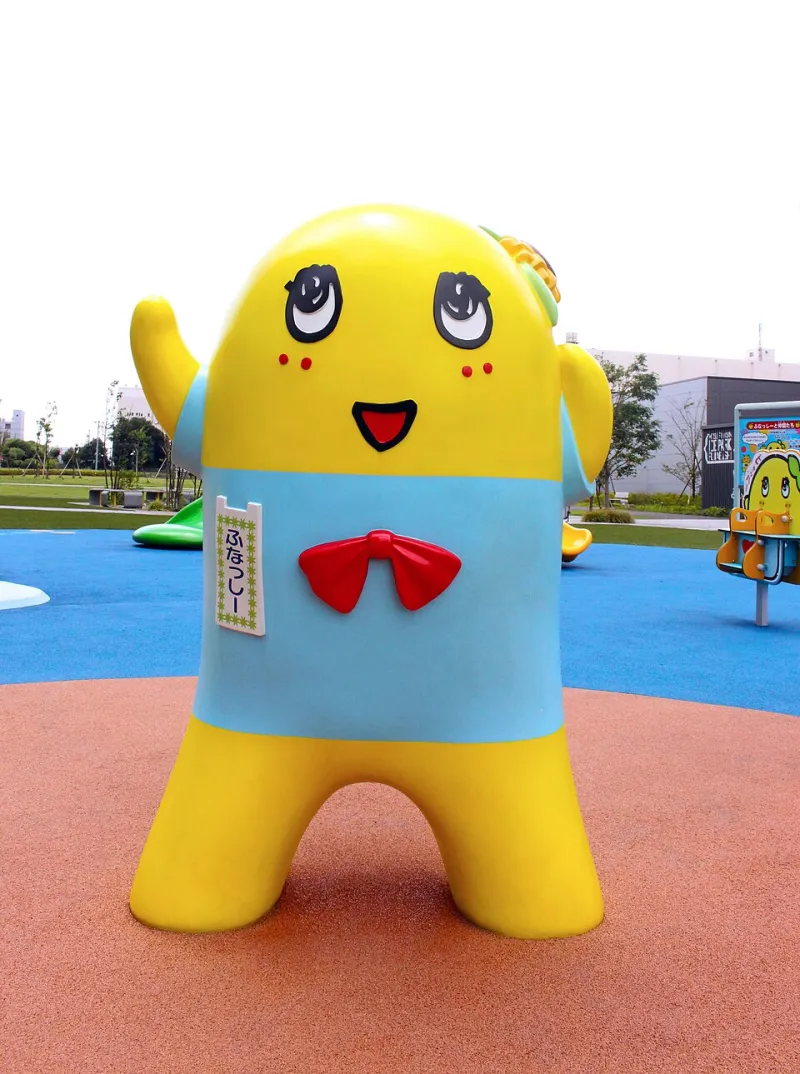
Photo: Archiroid21, CC BY-SA 4.0, via Wikimedia Commons
Election season in the US always brings a certain kind of theater. There are yard signs, debate nights, and at least one candidate who says “folks” so many times it stops sounding like a word. But what if the candidates were fuzzy, round, and legally distinct from a pear? Enter the yuru-chara: Japan’s local mascots, a species of civic creature that promotes towns, castles, snacks, and transit with a level of commitment that US local politics can only dream of.
For the 2026 Yuru-Chara Draft, we picked seven real Japanese mascots and imagined them running for local office in the US. This is not a real election. It is a group-chat fantasy with a tourism budget. Please do not write in Kumamon for school board. He has a job.
What Exactly Is a Yuru-Chara?
Yuru means loose or relaxed. A yuru-chara is a mascot designed to promote a place or a cause, and the best ones are deeply specific. They are not always official. They are not always cute in a conventional way. They appear at events, wave at crowds, sell merchandise, and occasionally become international celebrities. The beloved Yuru-chara Grand Prix ran for a decade and turned mascot popularity into a national spectator sport. The point is not polish. The point is personality.
The Draft Rules
We are not lawyers. We are not campaign consultants. We are people with a group chat and a soft spot for fuzzy creatures. We picked real mascots with real histories, then gave them imaginary US campaigns. No actual elections were harmed. Campaign promises are not binding. Any resemblance to your local city council is purely a coincidence and probably a cry for help.
1. Kumamon for Mayor
Real history: Kumamon is the black bear mascot of Kumamoto Prefecture, created in 2010. He became a phenomenon, won the Yuru-chara Grand Prix in 2011, and is known for his startled expression and deadpan reactions. He is less a mascot than a local celebrity with a budget.
Campaign: “I will react to your concerns.” Platform: transparent government, surprise inspections, more red cheeks on public signage. US angle: he would absolutely clean up in a town hall photo op. He would also accidentally become the town’s biggest tourism draw. That is not a bad thing.
2. Funassyi for City Council, Chaos Seat
Real history: Funassyi is the unofficial pear fairy mascot of Funabashi, Chiba. Introduced in 2013, Funassyi is hyperactive, fast-talking, and not officially endorsed by the city. That is part of the charm. Funassyi is a mascot with the energy of a halftime show.
Campaign: “Why be official?” Platform: shorter meetings, faster speaking, more confetti. US angle: city council meetings could use a pear fairy. Imagine the public comment period. Imagine the minutes. Imagine the gavel. We are not saying it would be orderly. We are saying it would be memorable.
3. Hikonyan for Historic Preservation Board
Real history: Hikonyan is the cat mascot of Hikone Castle in Shiga Prefecture, introduced in 2007 for the castle’s 400th anniversary. He wears a samurai helmet. He is a cat. He is historically adjacent. He is perfect.
Campaign: “History, but with a helmet.” Platform: protect old buildings, add more moats, install cat-sized benches. US angle: every town has a historic district and a debate about parking. Hikonyan would not solve it, but he would make the signage cuter. That counts.
4. Bary-san for Transit Authority
Real history: Bary-san is the mascot of Imabari, Ehime, known for thick eyebrows, an orange color scheme, and a dance. Bary-san is a local icon with a very specific vibe. He looks like he knows where the bus is.
Campaign: “Bari good buses.” Platform: more crosswalks, better schedules, orange everywhere. US angle: public transit needs a hype man. Bary-san would ride the bus. He would wave. He would make the bus seem fun. That is a public service.
5. Gunma-chan for Parks Department
Real history: Gunma-chan is the pony mascot of Gunma Prefecture, a long-running character with a gentle face and a strong local identity. Gunma-chan has been around for decades and is basically the prefecture’s fuzzy uncle.
Campaign: “Grass is a personality.” Platform: more picnic tables, better playgrounds, fewer geese with attitudes. US angle: parks departments are underfunded and underappreciated. Gunma-chan would show up to the ribbon cutting. He would bring a lawn chair. He would stay for the hot dogs. This is what local government needs.
6. Chiitan for Public Works, With Adult Supervision
Real history: Chiitan is an unofficial otter fairy mascot associated with Susaki, Kochi. Chiitan became internet-famous for chaotic stunts, including trampolines and general mayhem. Chiitan is not an official city mascot, and the character has been at the center of trademark disputes. That is a polite way of saying: chaotic.
Campaign: “I will fix the pothole. I will also make it worse.” Platform: trampolines, confetti, unlicensed demolition. US angle: public works requires permits. Chiitan requires a waiver. We would vote for the chaos, but we would also read the fine print. Supervise your mascots.
7. Sento-kun for Tourism Board
Real history: Sento-kun is Nara’s mascot, created in 2010 for the 1300th anniversary of the ancient capital. He is a deer with a Buddha-like face. He was controversial. He is also unforgettable. That is a tourism strategy.
Campaign: “Come for the deer, stay for the existential dread.” Platform: weirder souvenirs, more deer, better signage. US angle: every town wants a quirky mascot for tourism, but most settle for a logo. Sento-kun says: go weirder. Scare the algorithm. Bring the family.
The Real Appeal of Yuru-Chara
The reason these mascots work is not just cuteness. It is local pride. A yuru-chara gives a place a face. It can be goofy, ugly, or deeply specific, and that specificity is the charm. US towns have their own weirdness. We have state fairs, local diners, haunted motels, and a mayor who once rode a lawnmower in a parade. We could learn something.
How to Draft Your Own Local Mascot
Do not steal Kumamon. He is busy. Create your own. Pick a local food, animal, or landmark. Give it a simple shape. Give it a flaw. Give it a catchphrase. Make sure it can wave. Make sure it can survive a parade. And for the love of local government, get permission before you put it on a campaign sign.
The 2026 Yuru-Chara Draft is not a real election. It is a wish. We wish our local politics had more fuzzy creatures and fewer robocalls. Until then, we will watch the mascots dance and dream of a better city council.